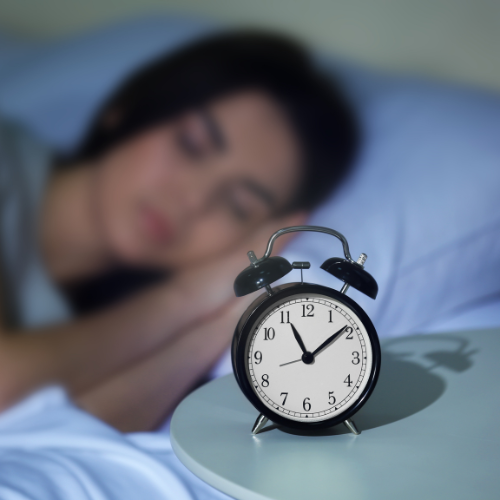
Sleep and Sunshine: How Longer Days Can Disrupt Rest
From sweltering nights to late sunsets, summer weather and habits can interfere with how well, and how long, we sleep. Though you may feel tempted to “power through” the summer heat, neglecting our sleep in the warmer months can have a domino impact on your health and impact your daily routines.
Quality sleep is just as important, and just as achievable in the summer as it is any other time of year.
It’s strange how a season built around leisure can leave you feeling so tired. But when the air turns heavy and the nights stay warm, even sleep, the most basic form of rest, becomes harder to come by.
REM (Rapid Eye Movement) sleep is a critical stage of the sleep cycle associated with vivid dreaming, memory consolidation, emotional processing, and overall brain restoration. To fall asleep, your body needs to cool down, but hot weather can interfere with this process by making it harder to lower your core temperature. As a result, sleep onset is delayed, and you're more likely to experience restlessness throughout the night. Heat can also disrupt both deep sleep and REM sleep, leaving you feeling groggy and unrefreshed even after a full night in bed.
Summer’s sometimes muggy weather, leading to high humidity, can also make it harder for your body to cool down by slowing sweat evaporation, leading to overheating and nighttime discomfort. Humid air can also make breathing feel heavier, which can be especially challenging for people with allergies or asthma.
Longer daylight hours in the summer can delay your body’s natural release of melatonin, the hormone that signals it’s time to sleep. When it stays light out later in the evening, your brain stays alert longer, making it harder to feel sleepy at your usual bedtime. This can shift your sleep schedule later and reduce overall sleep time, especially if you still need to wake up early.
Last, but not least, social routine changes in summer, like late dinners, weekend trips, and spontaneous evenings out, can disrupt your sleep schedule and throw off your circadian rhythm. When your bedtime and wake-up time vary from day to day, your body struggles to maintain a consistent sleep-wake cycle.
By mid-summer, many people find themselves sleep-deprived without realizing how they got there. Left unchecked, the summertime months can rewrite your sleep habits, unless you learn how to keep it in check.
While it may feel like summer is a time to be more active and get by on less sleep, the opposite is true. Summer heat can be draining, both physically and mentally, and the body needs adequate rest to recover and regulate itself. During sleep, your body cools down and activates recovery processes that help it bounce back from heat exposure.
A weaker immune system from lack of sleep is especially important to watch out for in summer because people are often traveling, socializing more, and exposed to new environments, all of which increase the risk of catching illnesses. Summer also brings more allergens, pollution, and physical stress from heat, which can challenge your immune defenses. Without enough sleep, your body is less equipped to fight off infections or recover quickly if you do get sick.
During summer, added stress from heat, travel, and social demands can strain your mood, and poor sleep makes it worse. It disrupts emotional regulation by over-activating the brain’s stress response and limiting your ability to cope. As a result, even small challenges can feel overwhelming, turning a relaxing season into an exhausting one.
Tips for Summertime Snoozing
No matter the time of the year, getting your best sleep involves creating a cool and comfortable environment. A few key tips for the summer include:
Avoiding cold plunges: A lukewarm shower helps you sleep by gently widening blood vessels, which allows your body to release heat and lower core temperature. Cold showers can have the opposite effect, tightening your blood vessels and making it harder to cool down, which can interfere with falling asleep.
Getting sunlight bright and early: Early morning sunlight helps regulate your circadian rhythm by signaling to your brain that it’s daytime. This strengthens your sleep-wake cycle, leading to earlier melatonin release at night and better, more consistent sleep.
Staying hydrated throughout the day: Drinking too much late at night can lead to frequent awakenings and fragmented rest. Instead, focus on hydration earlier in the day and easing up before bedtime.
Using a white noise machine instead of opening your windows: While this may improve airflow, it often creates more sleep disturbances than it solves. Opening windows at night can let in noise, early sunlight, allergens, and inconsistent temperatures; all of which can disrupt sleep.
Instead of staying cozy and cranky, stay cool, calm, and collected; and let better sleep take care of the rest.